
How Prices, Content, and Customer Support Policies Differ Across Country-Specific Websites of Global Services
 0
0
 0
0
Navigating the global internet often presents digital consumers with a striking paradox. Accessing a major platform – such as Netflix, Steam, Adobe, or Spotify – from different geographic locations reveals vastly different subscription prices, missing video or software catalogs, and contrasting customer service standards. A monthly subscription that costs $15 in North America might be priced at the local equivalent of $4 in South America, yet the cheaper version might lack localized customer support or carry a restricted media library.
These regional variations are not accidental glitches. Global tech companies do not operate a single, borderless digital store; instead, they manage a network of localized regional storefronts governed by local purchasing power economics, territorial copyright licensing, and regional corporate legal entities. Evaluating which regional storefront aligns with your personal priorities requires analyzing pricing math, content geofencing rules, and support escalation boundaries.

Financial mechanics of regional pricing and tax display discrepancies
The most noticeable difference across regional storefronts is the price tag. Digital services utilize sophisticated financial algorithms to adapt their pricing to local economic conditions.
Purchasing Power Parity (PPP) adjustments
Tech companies employ Purchasing Power Parity (PPP) pricing strategies to maximize global revenue. In high-income markets (such as the United States, Switzerland, or Singapore), subscription prices are set higher to match local disposable income levels. In emerging markets (such as India, Turkey, or Brazil), platforms lower base prices significantly to make the service accessible against local competitors.
While an emerging market subscription appears to be an incredible bargain, platforms offset lower prices by restricting features – such as limiting video streams to single-device mobile plans or removing multi-user family sharing options.
Tax-inclusive versus tax-exclusive price displays
Another financial discrepancy stems from regional tax laws. When browsing European or Asian storefronts, consumer protection laws mandate Tax-Inclusive Pricing. The price displayed on the product page includes all applicable Value-Added Tax (VAT) or Goods and Services Tax (GST), ensuring the number you see is the exact amount deducted at checkout.
Conversely, North American storefronts utilize Tax-Exclusive Pricing. Because state, provincial, and local sales taxes vary widely across zip codes, the listed price excludes tax. A $50 software package listed on a US storefront may incur an additional 8% to 10% sales tax at the final checkout screen, surprising international buyers who failed to calculate regional tax additions.
Regional storefront decision guide for cross-border consumers
To select the regional storefront that best matches your budget, content requirements, and need for legal protection, use this operational decision guide:
| Primary user goal or scenario | Recommended regional storefront | Key financial & licensing trade-off | Actionable recommendation |
| Lowest possible subscription price | Emerging Market Storefront (e.g., LATAM, South Asia) | Requires local credit card / BIN verification; high risk of region locks. | Use secondary disposable accounts; never risk primary digital libraries. |
| Uncensored & complete content library | US / Primary Market Storefront | Highest base subscription price; local sales tax added at final checkout. | Ideal for complete media catalogs; fund via international gift cards. |
| Maximum refund rights & privacy protection | European Union (EU) Storefront | High VAT built into listed price; strict account identity verification. | Best for expensive software/SaaS; guarantees 14-day mandatory refund rights. |
Geofenced content licensing and auto-shifting media libraries
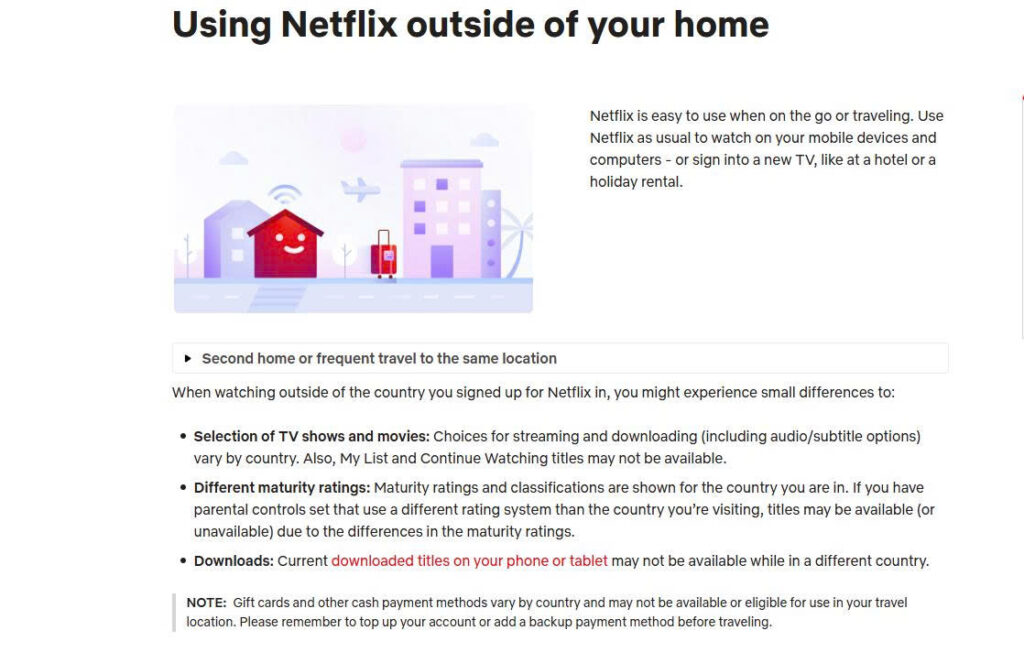
A major source of frustration for international travelers and digital nomads is the sudden shifting of available content libraries when crossing physical borders.
Territorial distribution contracts
Digital content – whether Hollywood movies, Japanese anime, or licensed software modules – is governed by territorial distribution contracts. A media studio may sell the streaming rights for a film to Netflix in North America, but grant exclusive broadcast rights for the exact same film to a local cable network in Europe.
Because streaming platforms must honor these regional contracts, they enforce strict geofencing. The platform’s servers inspect your IP address in real time. If your IP address resolves to a country where the platform does not hold distribution rights for a specific title, that title is automatically hidden from your search results.
Travel catalog shifts and offline download locks
When you travel internationally, your available media catalog dynamically shifts to reflect the country you are physically located in, regardless of where your account was originally registered.
Furthermore, geofencing affects offline downloads. If you download several movie episodes onto your mobile device while in your home country, traveling to a region where those titles are unlicensed may cause the app to lock playback for those downloaded files until you reconnect to your home network.
Support escalation limits across regional corporate boundaries
Customer service policies and dispute resolution mechanisms vary significantly depending on the corporate entity governing your specific regional storefront.
Regional database locks in customer support operations
Global tech giants maintain separate customer support teams assigned to specific corporate entities (e.g., Google LLC in the US vs. Google Ireland Limited in the EU vs. Google Asia Pacific in Singapore).
If you encounter a billing error or require a refund for a purchase made on a Japanese regional storefront, a US-based or European-based customer support agent physically lacks the database access permissions required to modify transactions originated under the Asian corporate entity. Attempting to resolve a foreign transaction through your local country’s support channel will result in immediate rejection or endless transfer loops.
Statutory cooling-off periods versus non-refundable digital goods
Customer rights regarding cancellations and refunds are dictated by the consumer protection laws of the storefront’s registered country.
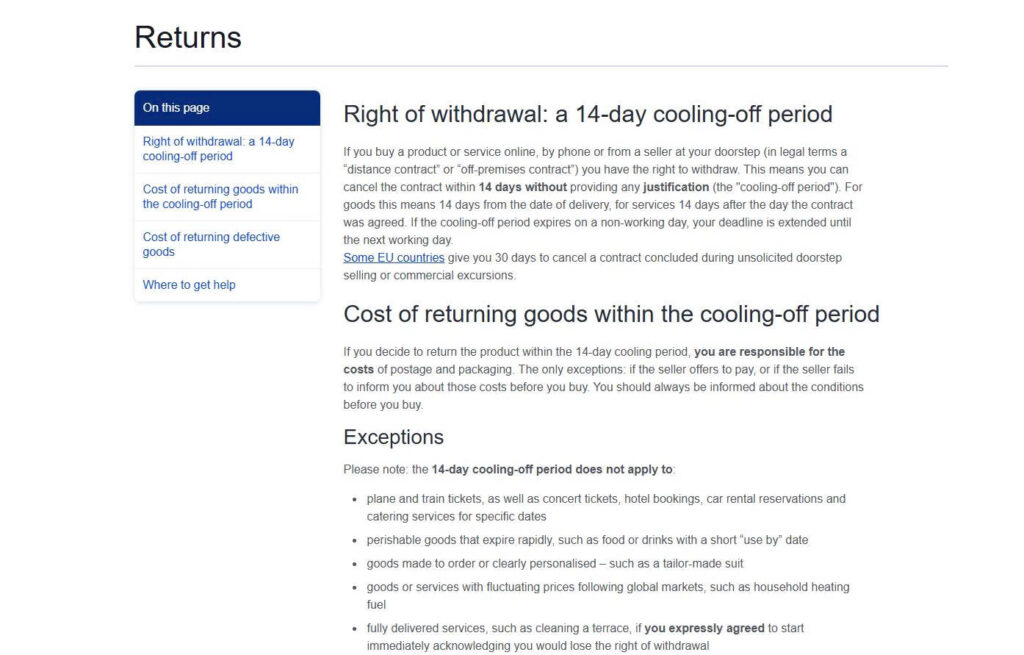
In the European Union, the law mandates a strict 14-Day Right of Withdrawal, allowing consumers to cancel digital subscriptions and receive a full refund within two weeks of purchase. Conversely, North American and Asian regional storefronts operate under strict “All Sales Are Final” policies, where digital purchases are non-refundable the moment download or streaming playback begins. Always verify the governing law stated in the storefront’s specific Terms of Service before committing to expensive digital purchases.


