
When a Regional Marketplace Provides Better Support Than a Global Platform
 0
0
 0
0
When expanding an e-commerce business in Korea, sellers inevitably face a critical strategic choice: tap into the massive global traffic of cross-border giants like Amazon and Shopee, or focus operations on local heavyweights like Naver SmartStore and Coupang. While global platforms offer undeniable access to international markets, their automated, highly rigid support infrastructure often creates operational nightmares for independent sellers.
Imagine this scenario: your top-selling product gets taken down overnight due to a flagged policy violation. Do you want to wait five days for an automated email reply from a global bot, or get the issue resolved in two hours via a local live chat?
For small and medium business owners, delayed seller support is not just an inconvenience; it directly causes frozen payouts, locked inventory, and lost sales momentum. While global platforms treat seller support as a massive ticketing queue, local platforms provide hands-on, localized assistance that intimately understands Korean business regulations, tax laws, and logistics. This guide analyzes the operational risks of global automated support and explains why local platforms offer a safer safety net for your business.
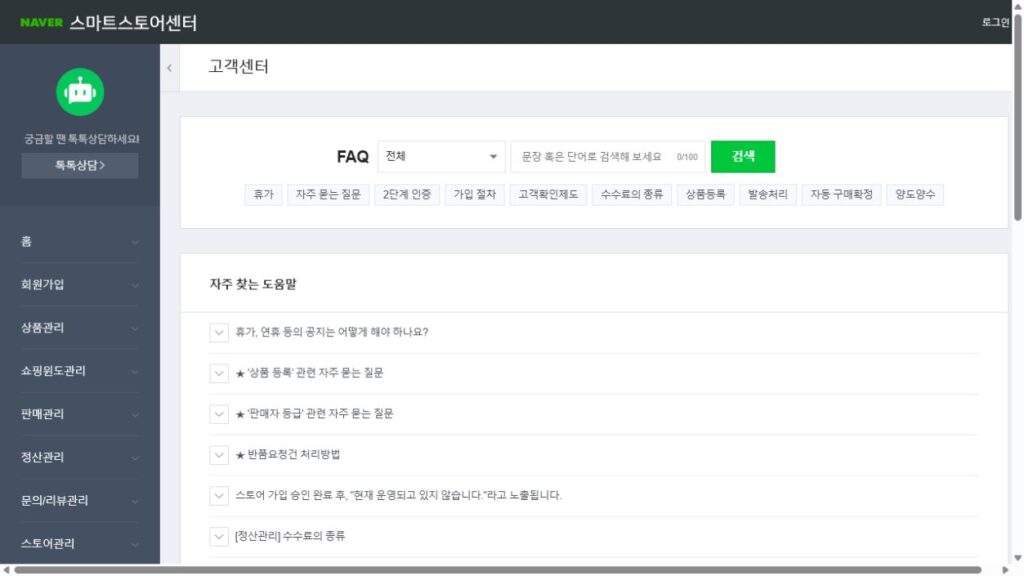
The most critical difference between global and local e-commerce platforms is how quickly they respond to urgent operational issues. In e-commerce, time is literally money, and support latency directly impacts a seller’s cash flow (정산).
Global ticket queues and frozen cash flow
Global e-commerce platforms manage millions of sellers worldwide by standardizing their support systems through artificial intelligence and outsourced call centers. When a Korean seller encounters a frozen payout or an Account Health suspension on Amazon, they must submit a formal support ticket.
Often, the response is a delayed, pre-written macro-reply (매크로 답변) that arrives days later. If the issue involves specific Korean banking errors, currency conversion blocks, or domestic courier strikes, the global support agent may lack the cultural and operational context to help. Sellers are forced to endure endless email back-and-forths, during which their store remains paralyzed and their funds are held in a rolling reserve for up to 90 days.
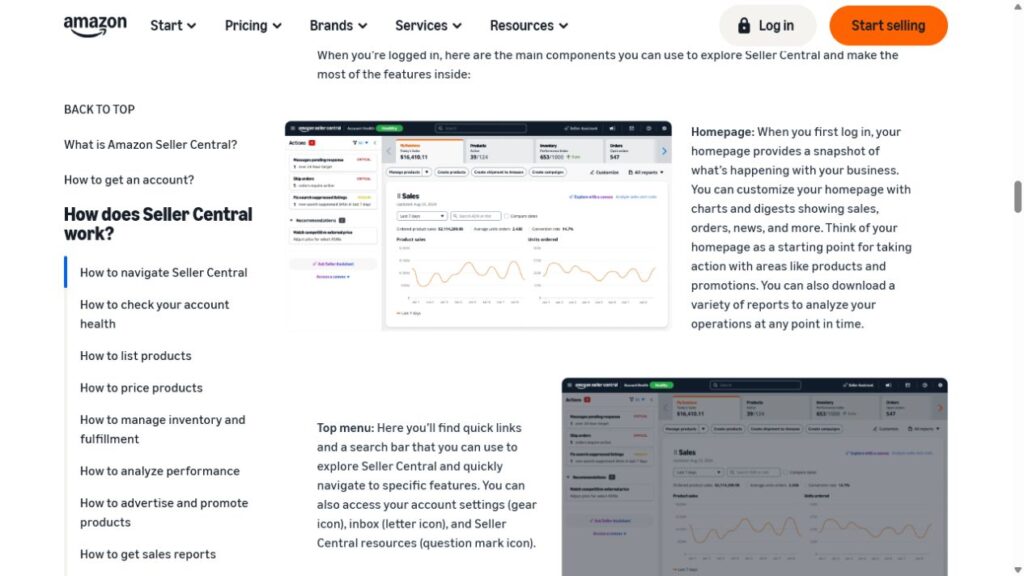
Local same-day resolution via TalkTalk
In stark contrast, local platforms prioritize rapid, human-led resolution for domestic sellers. Naver SmartStore provides real-time “Seller TalkTalk” chat support and direct phone lines to dedicated category managers.
If a seller faces a sudden settlement delay or a listing restriction, they can connect with a Korean support agent during standard business hours and resolve the problem on the exact same day. This immediate access to human support prevents minor technical errors from snowballing into severe cash flow disruptions, allowing sellers to pay their suppliers and maintain inventory without panic.
Handling policy violations: Vague warnings vs exact corrections
Platform compliance policies are constantly updating. When a product listing violates a rule, the way the platform communicates that violation determines how fast the seller can fix it and resume sales.
The global guessing game
Global platforms rely almost entirely on automated AI moderation to police listings. When a product is flagged, the seller usually receives a vague, automated notification stating, “Listing removed due to Policy Violation.” The email rarely specifies whether the problem lies in the product title, a specific background image, or a prohibited keyword in the description text.
Sellers fall into an exhausting “appeal loop.” They are forced to guess the error, make random edits, and submit an appeal, only to be rejected by another bot. This opaque process wastes valuable selling days and causes immense psychological stress.
Local specificity and KC certification support
Regional support teams take a much more practical and collaborative approach. If a listing is flagged on Coupang or Naver, the support notice explicitly identifies the error.
For example, a seller will receive a direct message stating, “Product Image 3 lacks the mandatory KC safety certification mark.” This precise guidance allows the seller to upload the correct safety document immediately. Local platforms treat sellers as business partners rather than liabilities, reducing repeat violations and bringing products back online swiftly without the frustrating guesswork.
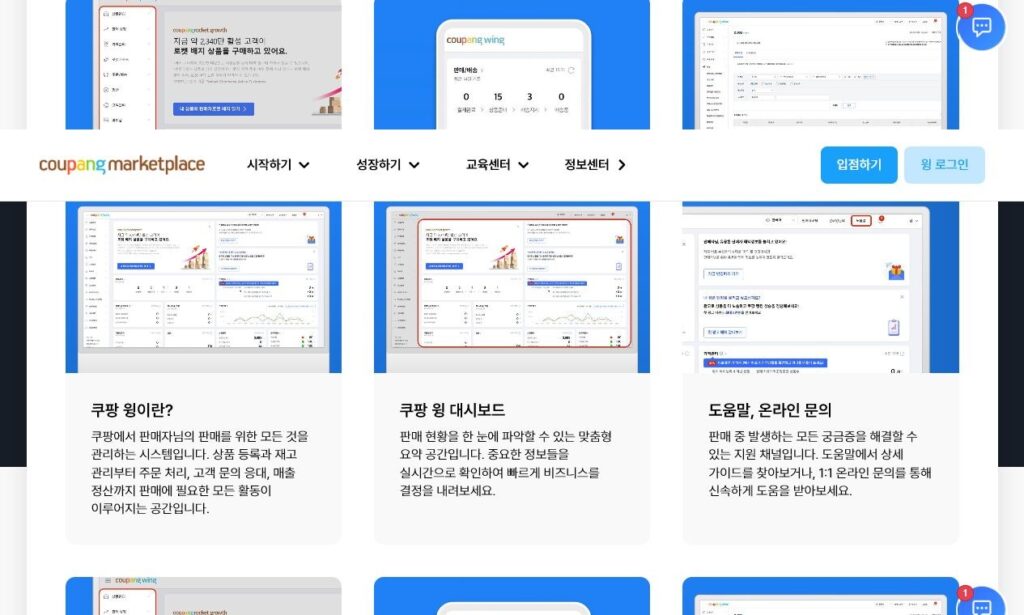
Operating an e-commerce business involves heavy administrative paperwork. Support teams that understand local business culture and legal frameworks resolve administrative friction seamlessly.
Understanding Korean tax documents
When registering a professional seller account or verifying a restricted product on a global platform, Korean sellers often face automated rejections. Why? Because their domestic Business Registration Certificate (사업자등록증) or electronic tax invoices (세금계산서) do not match Western documentation templates. Explaining Korean corporate tax structures to a global support agent is an exhausting process that often requires paying for expensive notarized translations.
Local platform teams process these specific domestic documents daily. They verify Korean corporate IDs and tax invoices instantly without requesting unnecessary translations or third-party notarizations.
Defending against malicious buyers
Dispute resolution is another area where local platforms excel. Global platforms like Amazon often employ rigid, buyer-centric chargeback scripts (the “buyer is always right” policy) that fail to account for regional shipping realities or fraudulent buyer behavior.
Conversely, local platforms mediate refunds based on actual Korean E-Commerce Consumer Protection Laws (전자상거래법). Because local teams understand domestic courier logistics and are highly experienced in identifying malicious return fraud (“Black Consumers” – 블랙 컨슈머), they offer a much fairer mediation process that protects sellers from unjust financial losses.
Which platform matches your product type? A decision guide
Choosing between global reach and localized support depends entirely on the nature of your inventory and your operational capacity. Use this strategy guide to align your platform choice with your business model:
- For digital goods or generic unbranded items: If you sell digital downloads, generic apparel, or simple unbranded accessories, global platforms (Amazon/Shopee) are highly effective. These items rarely trigger complex customs checks or require strict safety documentation, making automated global support sufficient for daily operations.
- For electronics, food, or heavily regulated physical goods: If your inventory includes electronics requiring KC safety certification, imported health foods, or children’s products, local platforms (Naver SmartStore/Coupang) are vastly superior. The dedicated local support ensures fast processing of complex regulatory documents and provides a critical safety net when dealing with strict domestic compliance laws.


